Paraty's nightlife isn't a strip of clubs — it's a colonial town that hums for a few golden hours after dinner, then hands the streets back to the lanterns. Done right, it's one of the best evenings in Brazil. Here's the rhythm, without a list of venue names that would be stale by the time you visit.
The shape of a night
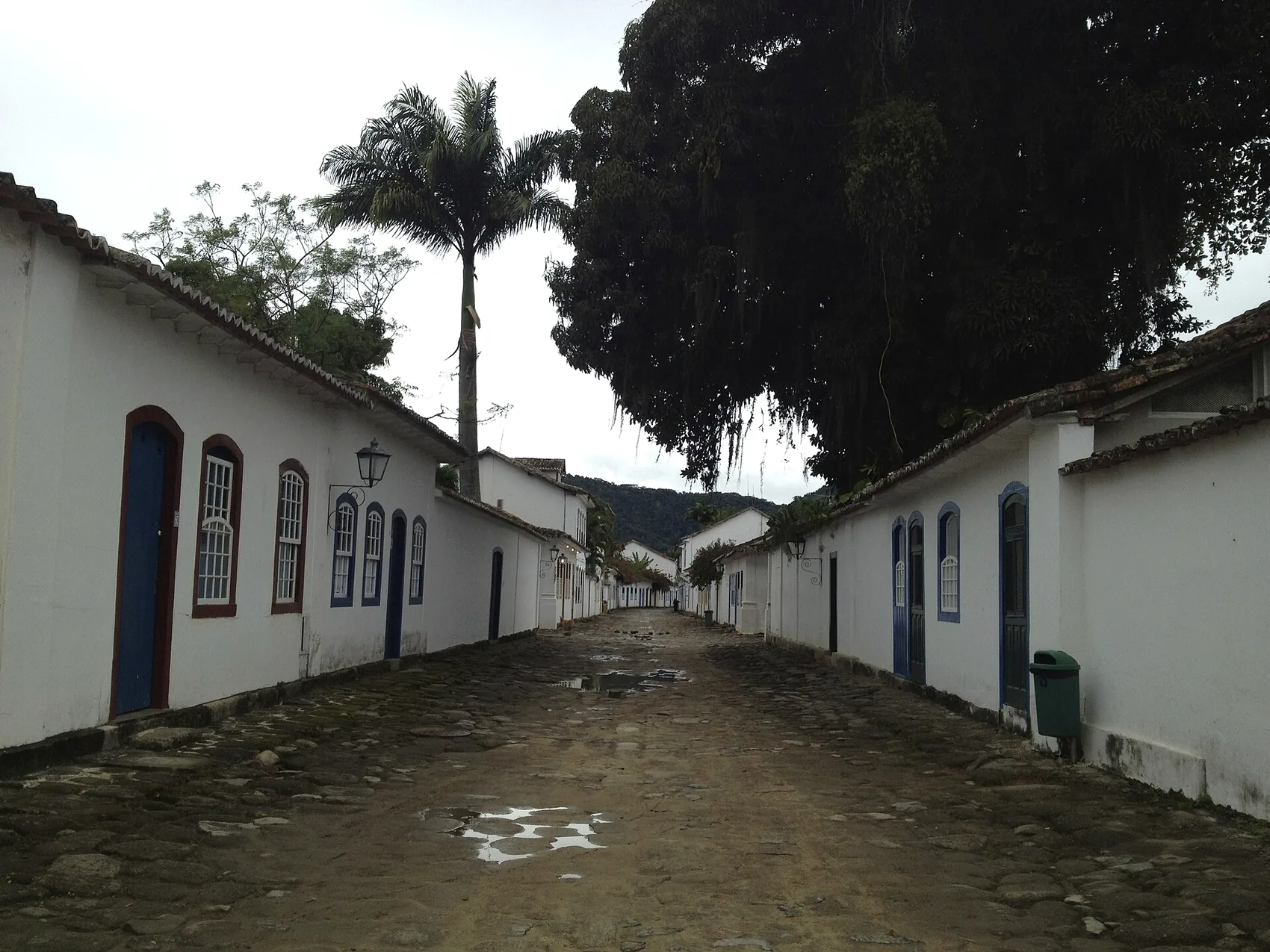
Evenings start late and gently. Around sunset the day-trippers drain out of the historic centre, the stone streets cool, and the restaurants put candles on outdoor tables. Dinner at eight or nine is normal. Afterwards, the sound carries you: somewhere in the grid, every night of the week, somebody is playing live — and on weekends, several somebodies. You navigate by ear, which in a town ten minutes across is a legitimate navigation system.
The live music scene
Three currents run through Paraty's nights. There's the bossa nova and MPB current — a guitarist or small combo in a restaurant corner, volume pitched for conversation. There's the samba and forró current, louder and later, where tables get pushed back and dancing happens whether or not anyone planned it; forró, the accordion-driven dance music of the northeast, has a devoted following here and is gloriously easy to fail at as a beginner. And there's the festival current: Paraty punches absurdly above its weight in events — a world-famous literary festival mid-year, a cachaça festival in August, jazz and sacred-music gatherings — and during any of them the whole town becomes the venue. Check what falls in your dates; it changes the trip.
The cachaça ritual
Paraty isn't just a cachaça town; for a couple of centuries it was the cachaça town — the word “parati” was once slang for the spirit itself. The distilleries up the Cunha road do daytime tastings (we cover them in the rainy-day guide), but the night-time version is the bar ritual: a flight of local cachaças neat in small glasses — white and wood-aged side by side — or folded into caipirinhas with whatever fruit is ripe. Two notes from experience: the aged ones (améndoa-coloured, rounder) are sipping spirits and deserve respect, and a caipirinha made with good local cachaça is a different drink from the tourist version. Order the flight, ask the bartender what's local, and you'll get a small education with every round.

In a town ten minutes across, navigating by ear is a legitimate navigation system.
Knowing the codes
- Couvert artístico: bars with live music add a small per-person music charge to the bill. It's normal, posted, and worth it.
- Dress: nobody dresses up. Clean and casual covers everything; the cobbles veto heels anyway.
- Timing: music typically starts 8–9 pm and winds down by midnight midweek, later on weekends and festivals. This is a town that ends its nights gracefully rather than abruptly.
- Safety: the historic centre at night is well-walked and feels it — the main hazards are romantic distraction and uneven stones, in that order.
Getting back up the hill
Arrange your ride before the last caipirinha: taxis and app drivers cluster at the edge of the pedestrian centre early in the night and thin out after midnight. Agreeing a pickup time with the driver who brought you down is the seasoned move (more here). Back at the chalé, the night ends the only correct way — on the deck, lights of the town below, one last aged cachaça doing its work.
Come stay above the bay
Chalé Bel Air sits on the ridge that looks over everything in this guide. Tell us your dates and what kind of trip you are after — we answer personally.
Ask about your datesFrequently asked questions
What is nightlife in Paraty like?
It's not a strip of clubs but a colonial town that hums for a few golden hours after dinner. Evenings start late and gently: around sunset the day-trippers leave, restaurants put candles on outdoor tables, dinner is at eight or nine, and live music plays somewhere in the grid every night. You navigate by ear.
What kind of live music does Paraty have?
Three currents run through the nights: bossa nova and MPB pitched for conversation, louder and later samba and forró where dancing happens, and a festival current — a world-famous literary festival mid-year, a cachaça festival in August, and jazz and sacred-music gatherings — when the whole town becomes the venue.
What is the cachaça ritual in Paraty's bars?
Order a flight of local cachaças neat in small glasses — white and wood-aged side by side — or folded into caipirinhas with whatever fruit is ripe. The aged ones are sipping spirits that deserve respect, and a caipirinha made with good local cachaça is a different drink from the tourist version.
Is it safe to walk Paraty at night?
The historic centre at night is well-walked and feels it — the main hazards are romantic distraction and the uneven cobblestones, in that order. Arrange your ride back up the hill before the last caipirinha, since taxis and app drivers thin out after midnight.